When people talk about education, the conversation usually revolves around access, infrastructure, and academic performance. Governments measure success through enrollment rates, examination scores, and graduation statistics. These indicators matter. They reflect real progress and help societies track improvements in literacy and opportunity.
Yet education systems shape far more than academic outcomes. In this blog, Kenety Sonsanah Gee will help you to explain about the African Education Systems Training and its outcomes.
What Education Actually Produces
They influence how individuals learn to approach authority, how they respond to new ideas, and how comfortable they become with questioning established assumptions. Long before students enter workplaces, institutions, or leadership roles, schools quietly shape the intellectual habits through which they interpret the world around them.
In this sense, education systems do more than transfer knowledge. They transmit patterns of thinking.
A classroom can cultivate curiosity, experimentation, and intellectual independence. But it can also reinforce memorization, strict hierarchy, and caution toward unconventional ideas. Over time, these subtle habits accumulate across generations, influencing how societies approach leadership, innovation, and problem-solving.
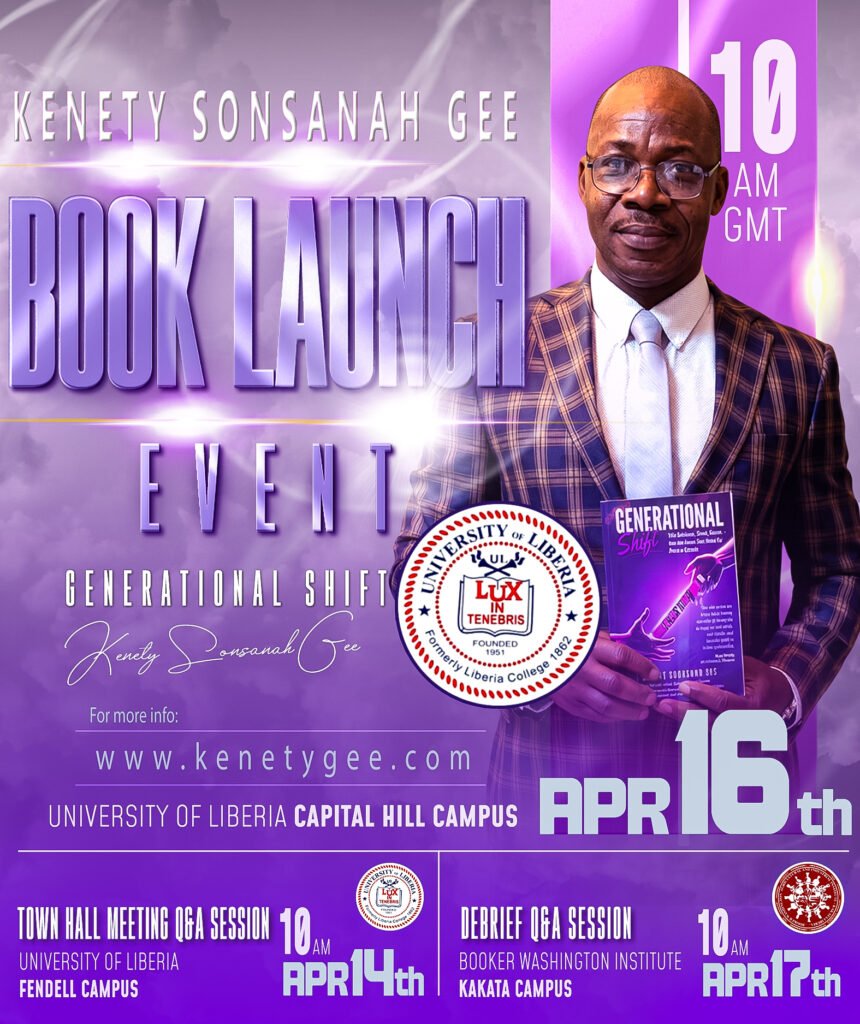
This broader perspective on education forms part of a larger conversation about how inherited systems shape development outcomes. In my book Generational Shift: Shift Mindsets, Break Cycles, and Embrace New Ideas for Africa’s Growth, I explore how institutions such as education quietly transmit assumptions about authority, decision-making, and change across generations. These assumptions often become the invisible frameworks through which societies interpret new challenges.
Understanding education through this lens raises an important question.
Are schools primarily preparing individuals to repeat established patterns, or are they equipping them to think critically and navigate an increasingly complex world?
The answer may shape far more than individual careers. It may influence the direction of societies themselves.
The Original Purpose of Education Systems
Modern conversations about education often focus on preparing students for the future. Schools are expected to equip young people with the skills necessary to participate in rapidly changing economies and increasingly complex societies. Yet the structure of many education systems around the world was not originally designed with innovation or intellectual independence as the primary goal.
Historically, education systems served a different purpose.
For much of the nineteenth and twentieth centuries, formal schooling expanded alongside the growth of modern states and administrative institutions. Governments needed citizens who could read, follow instructions, understand standardized procedures, and function within organized bureaucracies. Schools became one of the most efficient mechanisms for transmitting these capabilities across large populations.
In this context, stability was often valued more than experimentation. Education systems emphasized discipline, repetition, and uniform standards of knowledge. Students were trained to master established information and demonstrate competence through examinations designed to measure accuracy and consistency. These methods helped societies build functioning institutions, professional workforces, and administrative capacity.
The model proved effective for its time. Many countries used similar systems to expand literacy, build civil services, and support industrial growth. However, systems designed primarily to reproduce existing knowledge can sometimes struggle when societies begin to require different kinds of intellectual skills.
Today’s world places increasing value on problem-solving, adaptability, and creative thinking. Economic landscapes shift quickly, technologies evolve rapidly, and institutions must respond to new challenges that rarely fit neatly within established frameworks. In such environments, the ability to question assumptions and explore new approaches becomes an important societal asset.
This tension raises an important reflection about education in Africa and elsewhere. If schooling systems were historically structured to preserve order and continuity, how easily can they evolve to encourage inquiry, intellectual risk-taking, and independent thinking?
Understanding this historical foundation does not imply that current systems are inadequate or misguided. Rather, it highlights how educational institutions, like all social systems, carry forward inherited structures that shape how learning unfolds across generations.
The Difference Between Knowledge and Thinking
Education is often measured by the amount of knowledge students acquire. Curricula are structured around subjects, textbooks are filled with information, and examinations are designed to test how accurately that information can be recalled. Success in school is therefore frequently associated with the ability to memorize, reproduce, and apply established knowledge within familiar frameworks.
Knowledge is undeniably valuable. Societies depend on individuals who understand history, science, mathematics, and the accumulated insights of past generations. Without this shared intellectual foundation, progress itself would be impossible.
Yet knowledge alone does not necessarily produce independent thinking.
Knowledge gives us information.
Thinking gives us the ability to question and reshape it.
Thinking involves something different. It requires the ability to question assumptions, explore unfamiliar perspectives, and evaluate ideas that may not yet fit comfortably within existing frameworks. While knowledge provides content, thinking provides the interpretive capacity to respond when circumstances change.
The distinction may appear subtle, but its implications are significant.
A system centered primarily on memorization and examination performance may produce highly educated graduates who possess substantial information yet remain hesitant to challenge established ideas. Students may become proficient at navigating structured academic environments without developing confidence in their own analytical judgment. Over time, this pattern can shape broader institutional cultures, where adherence to precedent feels safer than intellectual experimentation.
Conversely, education environments that encourage inquiry and discussion cultivate different habits of mind. Students learn not only to absorb knowledge, but also to interrogate it. They become more comfortable exploring alternative viewpoints, proposing new approaches, and engaging with complexity without immediately seeking predetermined answers.
The intellectual habits formed in classrooms often become the leadership habits of societies.
The way students learn to approach authority, debate ideas, and navigate uncertainty can quietly influence how societies later respond to economic challenges, technological shifts, and institutional change.
When viewed through this lens, education becomes more than a pathway to employment. It becomes one of the most powerful mechanisms through which societies reproduce or gradually transform the patterns of thinking that shape their future.
The question, therefore, is not simply how much knowledge education systems transmit. It is also how they shape the intellectual confidence and curiosity that allow individuals to engage with a rapidly changing world.
How Education Shapes Leadership Pipelines
The influence of education does not end when students graduate. The intellectual habits cultivated in classrooms often travel with individuals into the institutions that later shape society; businesses, government agencies, universities, civil services, and community organizations. Over time, these habits quietly influence how leadership itself evolves.
Leadership is rarely formed suddenly. It develops gradually through years of experience, reflection, and exposure to different ways of thinking. Yet the foundations of that process are often laid much earlier, during the formative years when individuals learn how to interpret authority, respond to disagreement, and approach complex problems.
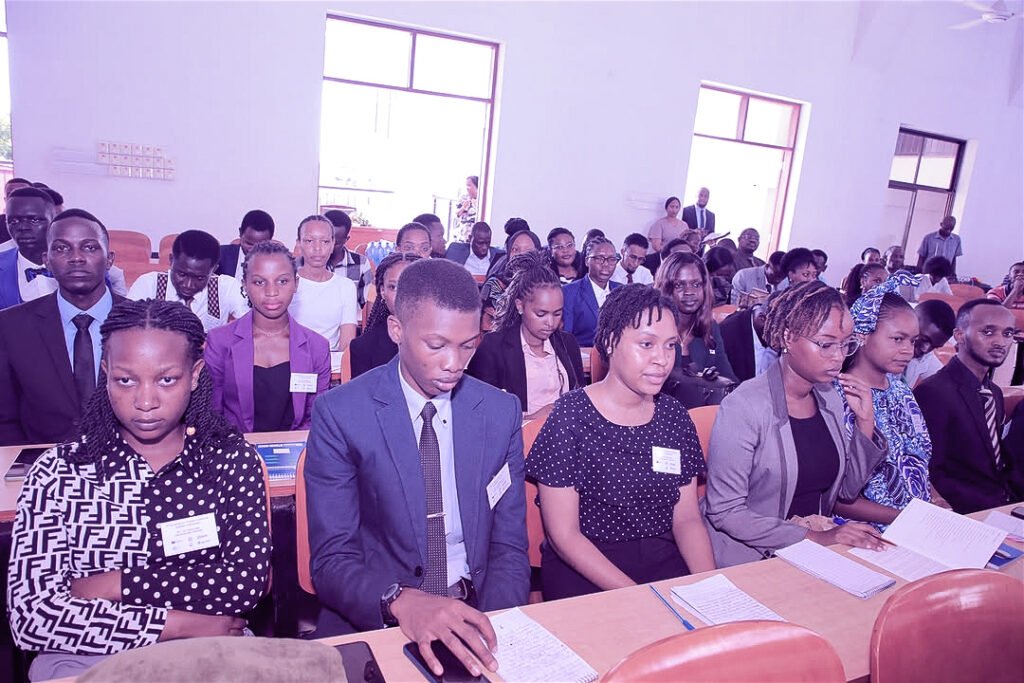
In many education systems, students are trained to navigate structured hierarchies. Teachers present knowledge, students absorb it, and examinations measure how accurately that knowledge can be reproduced. This structure helps maintain order in classrooms and ensures consistency in learning outcomes. However, it may also reinforce a particular relationship between authority and inquiry.
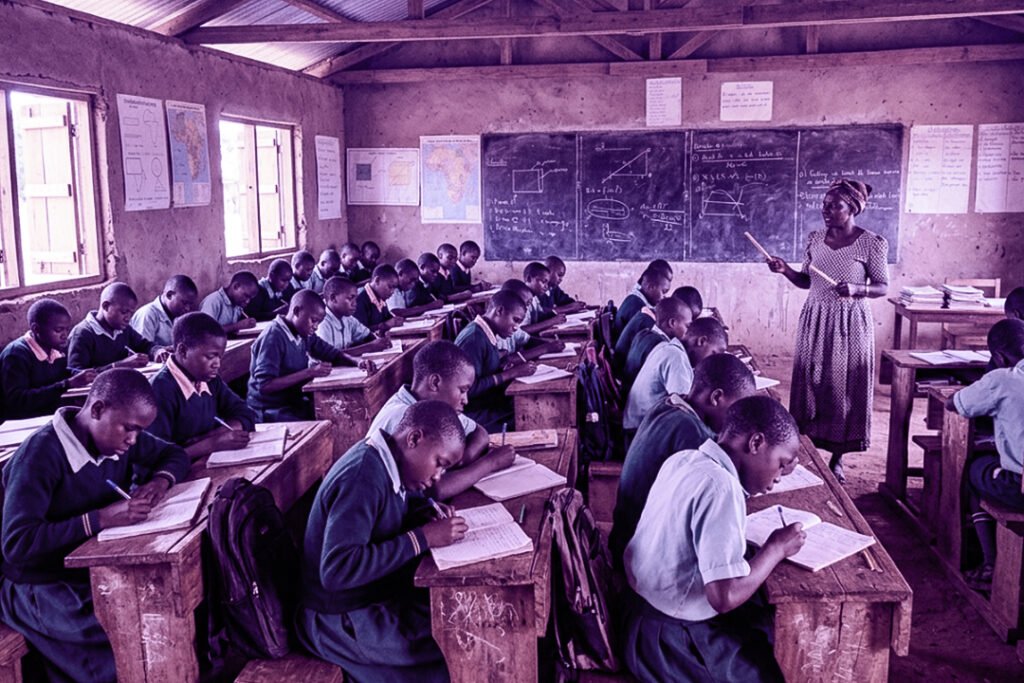
Students who grow accustomed to environments where questioning established ideas is discouraged may carry similar habits into professional life. Decision-making becomes cautious, deference to existing frameworks becomes the norm, and innovation may feel less comfortable than adherence to precedent. Over time, such patterns can shape institutional cultures in ways that subtly limit experimentation.
Conversely, education environments that encourage discussion, debate, and curiosity tend to cultivate different leadership dispositions. Students learn to evaluate ideas rather than simply accept them. They become more comfortable navigating uncertainty, challenging assumptions, and exploring alternative solutions when familiar approaches prove insufficient.
These differences matter because leadership cultures often reflect the intellectual environments that produced them.
Institutions do not operate independently of the people who inhabit them. When generations of students are educated within similar systems, those systems can reproduce comparable patterns of decision-making across decades. The habits of thought formed in schools eventually influence how organizations respond to change, manage risk, and imagine new possibilities.
In Generational Shift: Shift Mindsets, Break Cycles, and Embrace New Ideas for Africa’s Growth, I explore how institutions such as education quietly transmit assumptions about leadership, authority, and innovation across generations. These inherited frameworks often become the invisible architecture shaping how societies approach development and adaptation.
Understanding this connection invites a broader reflection. If leadership cultures are partly shaped by educational environments, then discussions about development must also consider how societies nurture intellectual curiosity, critical thinking, and confidence in questioning established ideas.
For more reflections on these themes including the role of generational systems in shaping leadership and institutional change. Readers can also explore additional essays and resources on my website.
The Generational Dimension of Learning
Education systems occupy a unique position in society because they sit at the intersection of continuity and change. Each year, new generations of students enter classrooms carrying the expectations, values, and cultural assumptions shaped by their families and communities. Schools then become the environments where those assumptions are reinforced, refined, or occasionally challenged.
In this sense, education functions as one of the most powerful mechanisms through which societies transmit their intellectual habits across generations.
What students learn is not limited to academic content. They also learn how knowledge is presented, how authority operates, and how disagreement is handled. These subtle lessons often shape how individuals later interpret leadership, institutions, and social systems. Over time, such patterns accumulate, influencing how entire societies respond to new ideas and emerging challenges.
Generational continuity plays an important role in maintaining social stability. Cultures depend on shared frameworks of meaning that allow institutions and communities to function coherently. Education systems help preserve these frameworks by transmitting historical knowledge, cultural values, and established modes of reasoning.
Yet continuity also carries another implication.
When intellectual habits remain largely unchanged across generations, societies may find it more difficult to adapt to rapidly evolving conditions. New technologies, economic transformations, and global shifts introduce problems that rarely resemble those faced by earlier generations. Addressing these challenges often requires not only new information but also new ways of thinking.
This is where education becomes particularly significant.
Classrooms represent one of the few places where societies can gradually expand their intellectual frameworks without abandoning cultural continuity. When learning environments encourage curiosity, thoughtful questioning, and the exploration of unfamiliar perspectives, they create space for generational evolution. Students begin to see knowledge not as something fixed, but as something that can be examined, interpreted, and refined.
These shifts rarely occur abruptly. They unfold gradually as educational cultures evolve and new generations bring fresh perspectives into institutions and leadership environments.
Viewed through this lens, education is not simply a system for producing graduates. It is a long-term mechanism through which societies shape the intellectual foundations of their future.
What a Generational Shift in Education Might Look Like
If education systems play such an important role in shaping societal thinking, then meaningful change in how societies approach learning must also be understood as a gradual, generational process. Transforming educational cultures rarely happens through sudden reforms or isolated policy changes. Instead, it unfolds through evolving attitudes about what learning is meant to achieve.
A generational shift in education does not necessarily require abandoning existing structures. Many aspects of current systems, curriculum standards, academic disciplines, and institutional frameworks serve valuable purposes. The challenge is not to discard these foundations, but to expand the intellectual environment in which they operate.
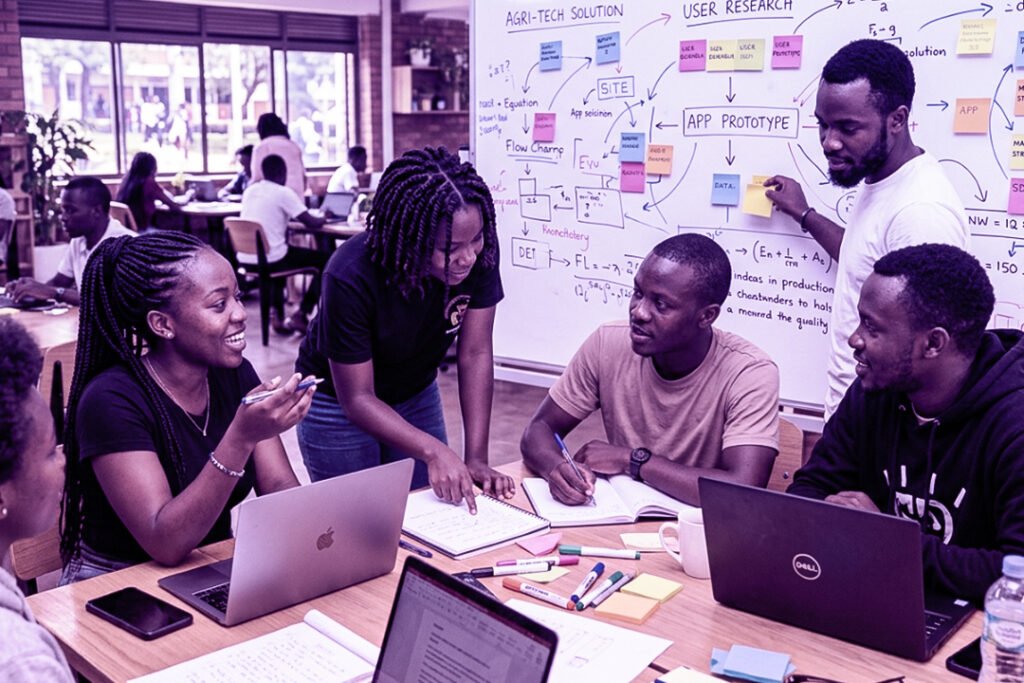
One area where this shift often begins is in how curiosity is treated within classrooms. When students are encouraged to ask questions, explore multiple perspectives, and engage thoughtfully with unfamiliar ideas, learning becomes more than the absorption of established knowledge. It becomes a process of intellectual exploration.
Another important dimension involves how authority functions within educational environments. Respect for teachers and institutions remains essential for maintaining order and continuity. At the same time, environments that allow respectful dialogue and critical inquiry can help students develop confidence in evaluating ideas independently.
Over time, these subtle shifts can influence how students approach problem-solving, leadership, and innovation later in life. Individuals who grow accustomed to navigating complexity, questioning assumptions, and engaging with uncertainty are often better prepared to respond to rapidly changing social and economic landscapes.
Importantly, such transformations do not occur overnight. They emerge gradually as educators, institutions, and communities adapt their expectations about learning and intellectual development. Each generation of students then carries these evolving habits of thought into the workplaces, institutions, and leadership roles that shape society.
Seen in this way, education becomes not just a system for transmitting knowledge, but a quiet engine of generational evolution. One that influences how societies imagine and pursue their future.
Closing Reflection: The Future Begins in Classrooms
Education is often discussed in terms of access, infrastructure, and academic performance. These measures are important, and expanding educational opportunity remains one of the most significant achievements any society can pursue. Yet the deeper influence of education lies in something less visible.
Schools shape the intellectual habits that later appear in institutions.
The ways students learn to approach authority, navigate uncertainty, and engage with new ideas gradually influence how future professionals, policymakers, entrepreneurs, and community leaders interpret the challenges they encounter. Over time, the patterns of thinking cultivated in classrooms can quietly echo across entire societies.
This is why education matters not only for individual advancement, but also for long-term societal evolution.
When learning environments nurture curiosity, thoughtful inquiry, and intellectual confidence, they help prepare generations capable of navigating complexity and imagining new possibilities. When they emphasize only repetition and strict adherence to existing frameworks, societies may find themselves reproducing familiar patterns even as the world around them changes.
Understanding this dynamic invites a broader conversation about how development is shaped across generations. These ideas form part of the wider exploration in Generational Shift: Shift Mindsets, Break Cycles, and Embrace New Ideas for Africa’s Growth, where I examine how inherited systems, including education quietly influence leadership, institutions, and societal change.
More reflections on these themes can also be found on my website, where I continue exploring the intersection of generational thinking, leadership, and Africa’s evolving future.